
Wildfire seasons are becoming increasingly severe in Newfoundland and Labrador, posing a threat to public safety and impacting routine operations in rural and remote regions, including crucial geoscience activities supporting the mining industry.
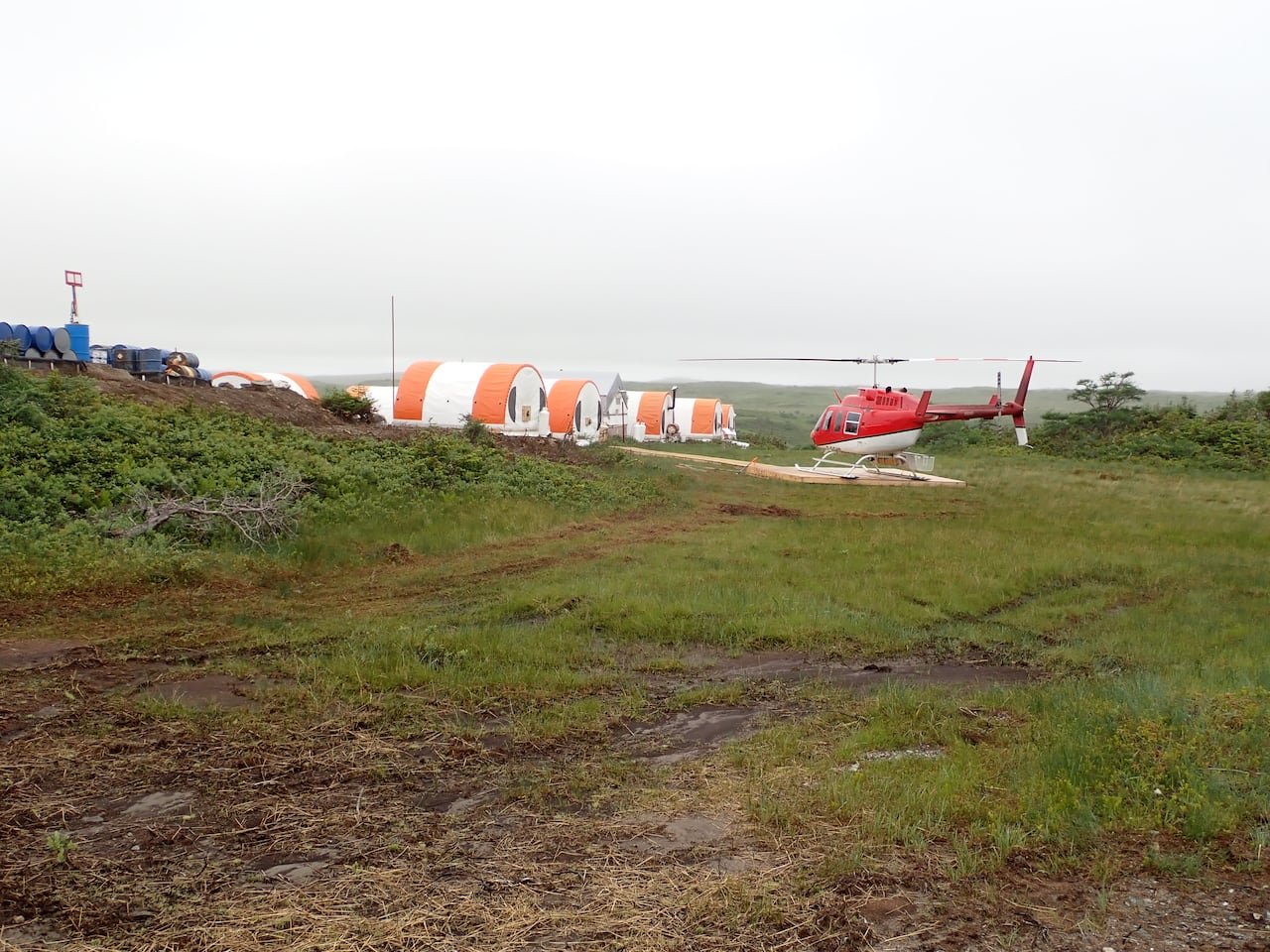
These wildfires can render work areas inaccessible for safety reasons or lead to the diversion of aircraft typically used to transport scientists to rural sites for fieldwork to assist in firefighting efforts.
The situation requires scientific program directors to manage more challenges in planning and scheduling due to the wildfires. However, the responsible minister assures that the necessary work is still being completed.
Notably, the government’s actual expenditure on transportation for geophysical surveys in Newfoundland and Labrador was $321,800 lower than the budgeted amount last year.
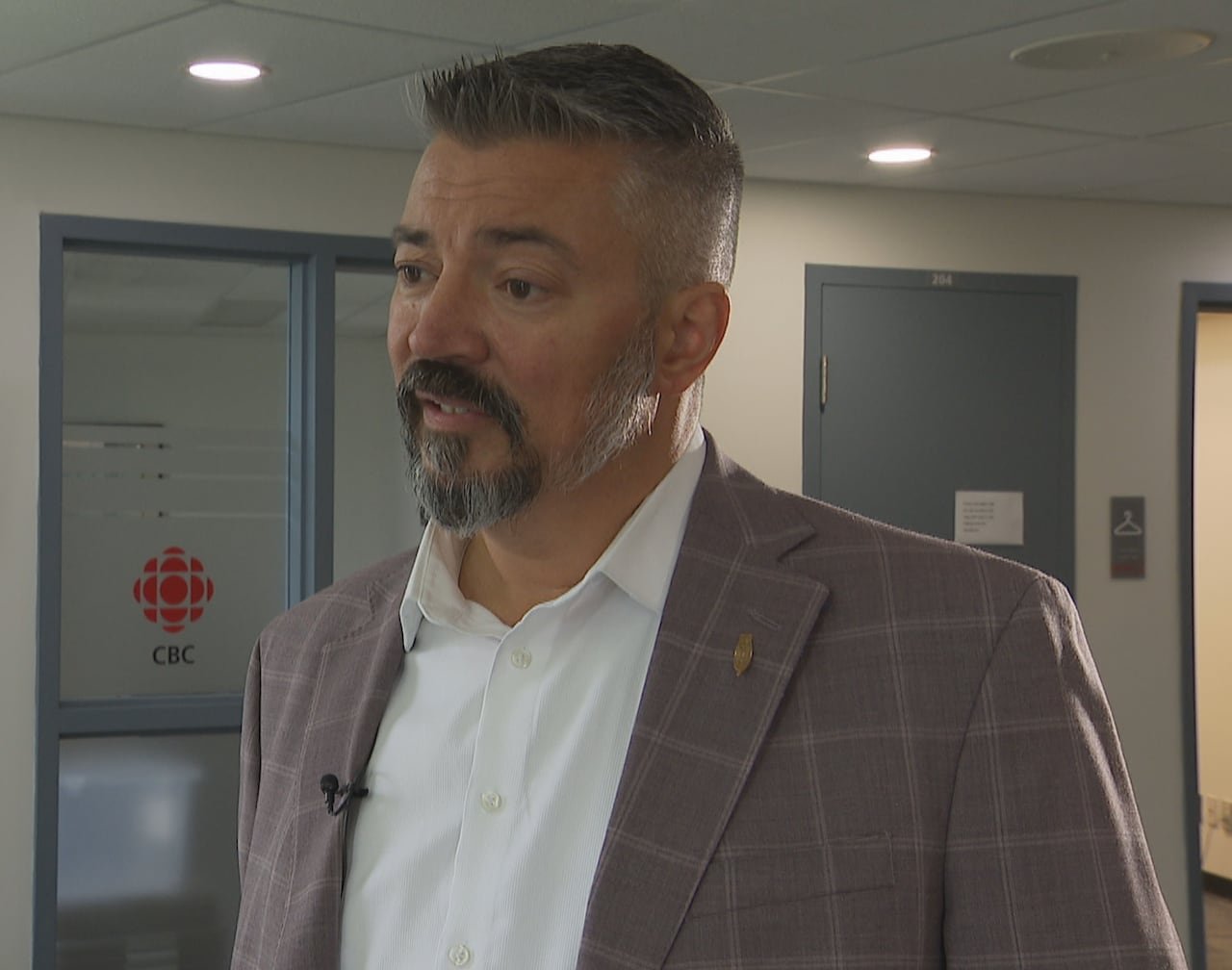
Energy and Mines Minister Lloyd Parrott attributed the cost difference to reduced helicopter usage caused by wildfire-related disruptions, as revealed during a public budget review.
While scientists may utilize drones for certain field tasks, they often require helicopters, especially in Labrador, for accessing remote areas and conducting essential work that drones alone cannot accomplish.
Helicopter travel disruptions can occur due to adverse weather conditions such as high winds, cloud cover, or fog, in addition to wildfire impacts.
“Some helicopter resources supporting geoscience fieldwork have been reassigned to aid wildfire suppression efforts this summer,” confirmed Minister Parrott in a recent statement to CBC News.
He acknowledged the challenges posed by wildfires but emphasized that the geological survey’s work is progressing despite these obstacles.
Crucial Yet Understated Work, Says Industry Representative
Recent collaborative projects, including surveys funded jointly with the federal government, have focused on data collection in southeastern Labrador for rare earth elements and a geophysical survey in the White Bay region.
Currently, the Geological Survey of Newfoundland and Labrador is engaged in ten active field projects, with six in Newfoundland and four in Labrador. Additionally, two planned airborne surveys utilizing fixed-wing aircraft are part of the scientific program.
In addition to fieldwork, scientists conduct various tests on collected samples and process data to generate publicly accessible results, including in peer-reviewed scientific publications.
Industry representatives emphasize the critical role of this work, noting its significance in driving investment, de-risking projects, informing land use decisions, and accelerating potential discoveries.
While public geoscience initiatives are not industry-directed, they often lead to increased prospector and industry investments, further advancing exploration activities. Additional support for these efforts is encouraged.
Notable Surge in Exploration Expenditure
Newfoundland and Labrador are witnessing record-high levels of private spending on exploration, with a projected expenditure of $283.3 million for the year compared to just under $249 million in 2025.
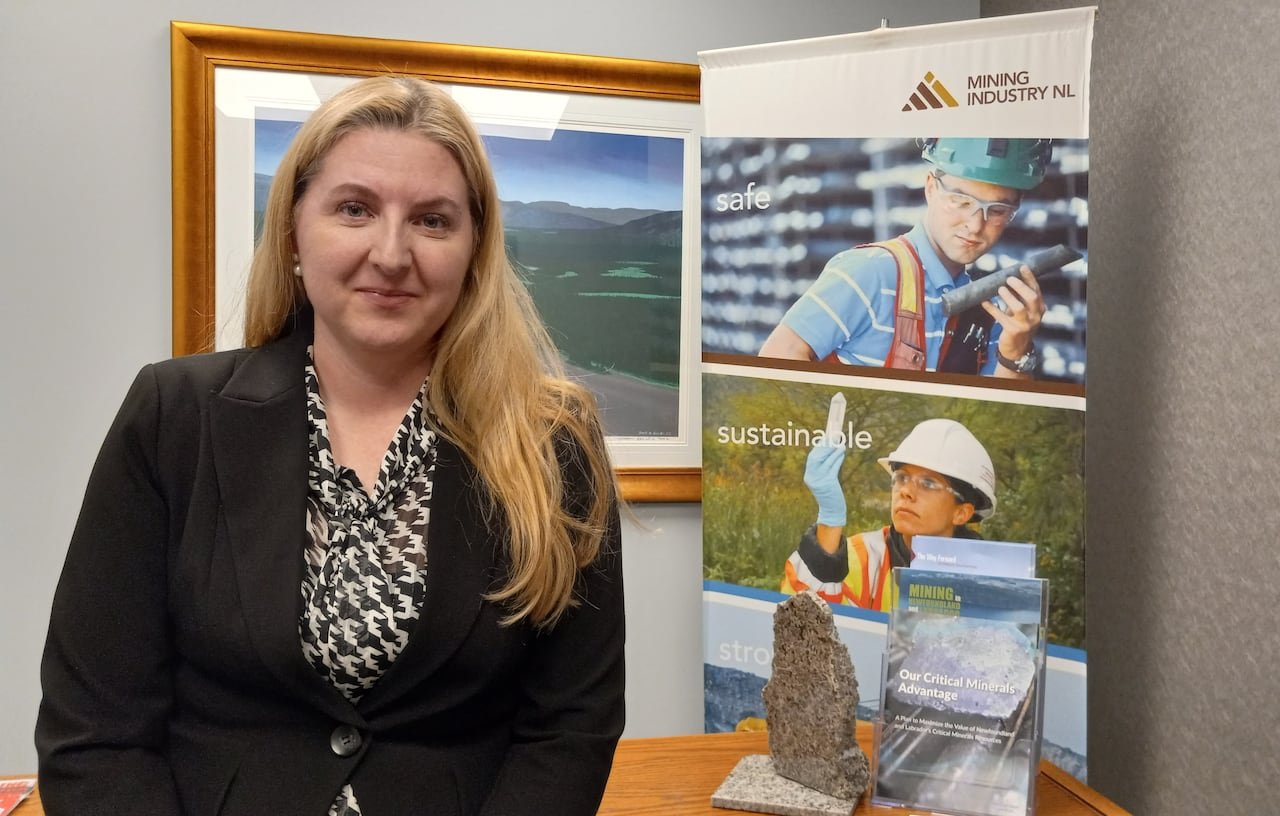
Mining Industry N.L. executive director Amanda McCallum highlighted the substantial increase in exploration spending, totaling $1.44 billion from 2021 to the forecasted amount for 2026, attracting foreign direct investments to rural and remote regions.