

The Department of Agriculture in Prince Edward Island has announced the acquisition of 15 fields where the potato wart fungus has been identified, costing taxpayers $9 million.
Potato wart is a severe disease that damages and deforms potatoes. Although it poses no threat to human health, it can be transmitted through contaminated soil. The Canadian Food Inspection Agency (CFIA) detected the fungus in two fields in P.E.I. in 2021, which resulted in a four-month closure of the U.S. border to all P.E.I. potatoes. While table potatoes were eventually allowed back into the U.S., a ban on P.E.I. seed potatoes remains in effect in the U.S. and in most other Canadian provinces.
“We are safeguarding our markets and our potato producers by taking these actions so the States can see that these fields are no longer in production,” stated P.E.I. Agriculture Minister Hilton MacLennan.
The province intends to acquire additional fields as part of its efforts to assure the United States that it is managing the disease effectively.
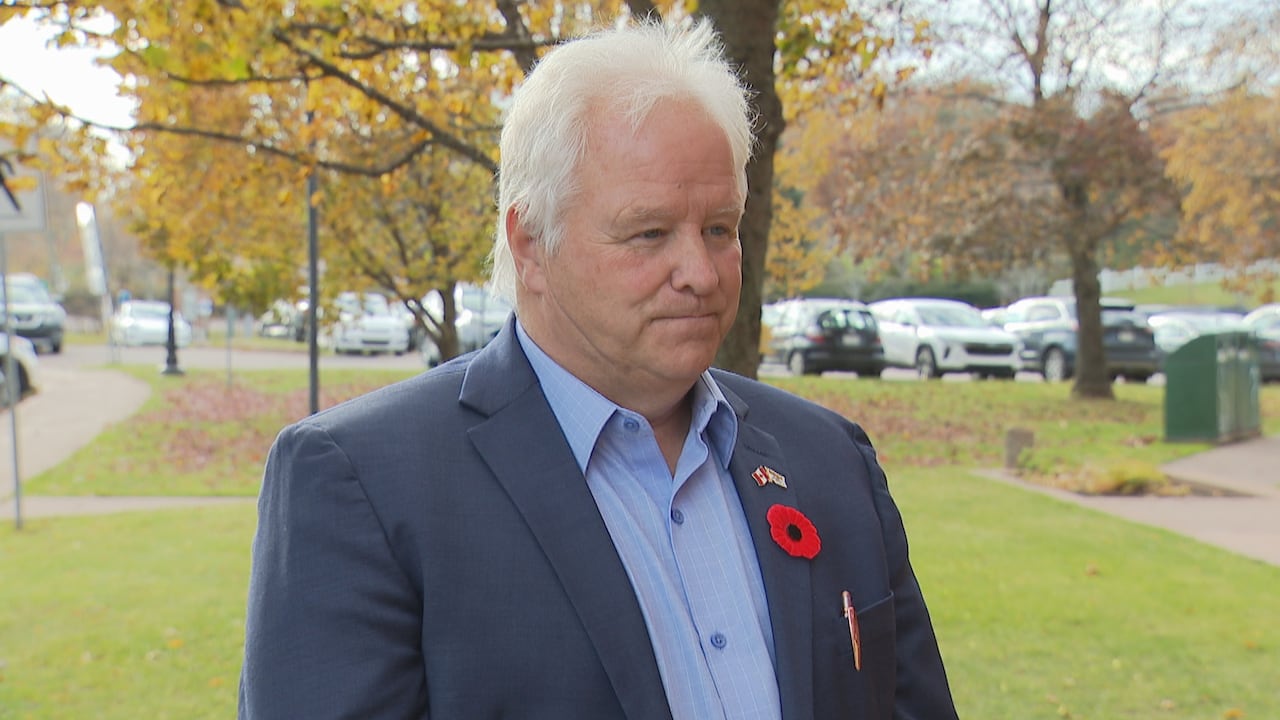
‘We’re protecting our potato growers by doing this so the States can see that these are out of production,’ says P.E.I. Agriculture Minister Hilton MacLennan. (Rick Gibbs/CBC)
This fall, the government plans to sow grass in the acquired fields and will plant trees in the spring. The government confirmed that potatoes will never be replanted in these areas.
“I believe this is what they requested, and we are committed to implementing it… It’s essential for the protection of the potato sector. We must proceed with it,” MacLennan remarked.
Potato wart was initially found in the province in 2000 and has since been identified in 38 fields. The province aims to acquire all of these fields.
-
Potato wart detected on P.E.I. farm for the first time in 3 years
-
P.E.I. government says it’s in negotiations to buy around half of potato wart index fields
So far, the provincial government has acquired approximately 404 hectares, or 1,000 acres, at an investment of around $9 million. MacLennan emphasized that this expenditure is vital.
<p"We must safeguard our potato industry," MacLennan stated. "It plays a crucial role in the economy of P.E.I., and this is one of the strategies we can employ to achieve that."
Negotiations are currently in progress to buy an additional 1,000 acres, according to the province; however, some landowners have yet to agree to sell their properties. MacLennan noted that these owners prefer to retain control of the land, mentioning that “some of it has been in their family for generations.” They all have consented to refrain from planting potatoes in those fields in the future.
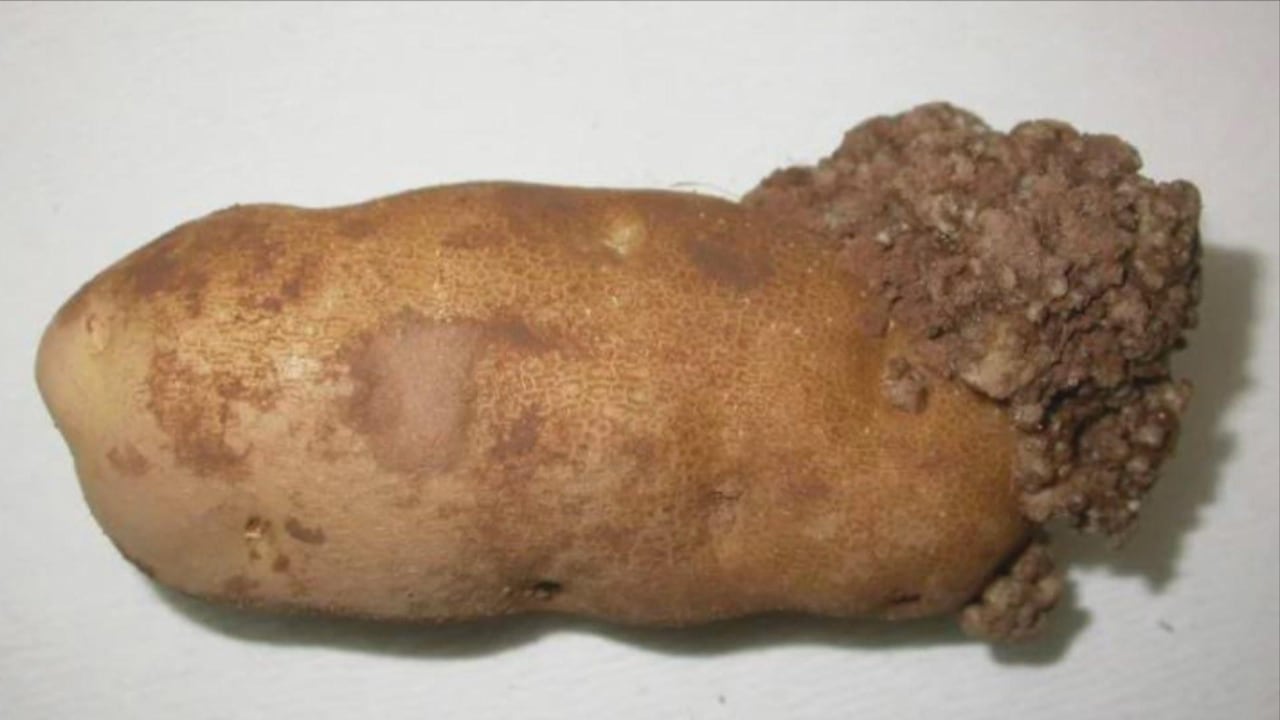
The potato wart fungus is spread through the movement of infected seed potatoes and contaminated soil. It poses no threat to human health or food safety, but is known to decrease the number of potatoes that can be harvested and sold. (CBC)
Greg Donald, the general manager of the P.E.I. Potato Board, remarked that the initiatives to control potato wart have been effective, and he supports the province’s decision to take the affected land out of production.
“We have a robust plan, likely one that serves as a model for the entire world,” he commented.
“By taking these fields out of agricultural use, we are implementing a definitive measure that ensures there is no risk associated with these areas, which is beneficial.”
A further instance of potato wart was identified in the province last May — the first on an Island farm since 2023 — raising concerns about potential additional restrictions from the U.S.
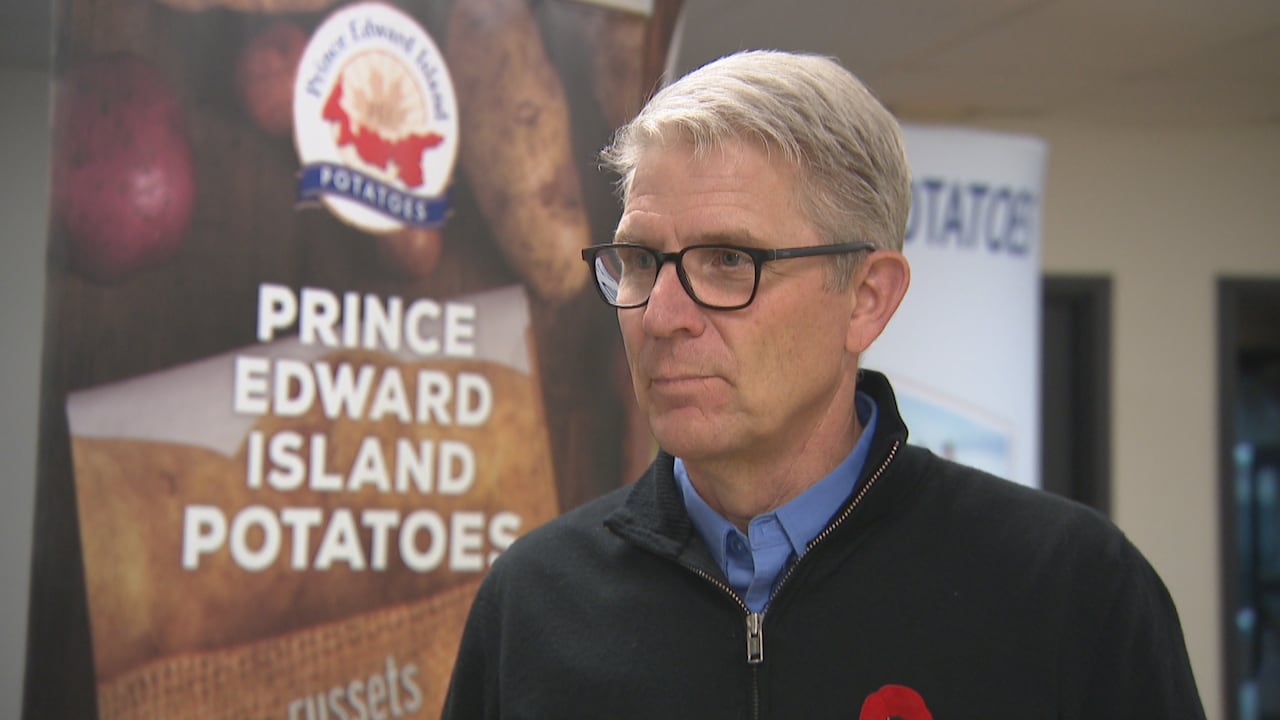
Greg Donald, general manager of the P.E.I. Potato Board, says efforts to contain potato wart have been positive. (Ken Linton/CBC)
As of October 5, new regulations have been implemented regarding potato exports from P.E.I. to the U.S. Potato waste is now prohibited for use as animal feed and must be disposed of at designated sites. The U.S. has demanded stricter labeling and enhanced certification standards for P.E.I. potatoes before they can be exported.
“There is always a risk when trading across borders with other nations, but from a plant health standpoint, especially concerning this quarantinable pest, there is no need for further measures,” Donald explained.
“We have been managing this risk for over 25 years, and I doubt there is any place in the world that is executing the same level of management as we are.”