

On Monday, a cyberattack targeting European supermarkets caused disruptions across the continent, affecting refrigeration units from Sweden to Belgium and prompting stores to dispose of perishable items, reminiscent of a similar incident in France last month.
The intrusion, which caused temperature spikes in refrigeration and freezing equipment at numerous locations, impacted supermarket chains Ahold Delhaize and Colruyt in Belgium and Luxembourg, along with Swedish retailers ICA and Coop. Even the furniture and meatball retailer Ikea reported at least one affected location.
“Everything is ruined,” remarked Engla Ingwall, sales manager at an ICA franchise in Stockholm, during a site visit on Monday. She mentioned that the breach occurred at 2 a.m., but it wasn’t detected until several hours later.
“A cyberattack has happened, leading all our freezers to reach 50 degrees Celsius.”
A representative from the privately-owned ICA confirmed that the company was aware of a “limited number of stores affected by an overnight incident, impacting their refrigeration and freezer systems.”
These recent events follow a hacking incident in France last month, where law enforcement reported that hackers took control of cooling systems in hundreds of supermarkets, leading to fires and food losses. Ahold Delhaize had also informed the police about a cybersecurity matter the previous month.
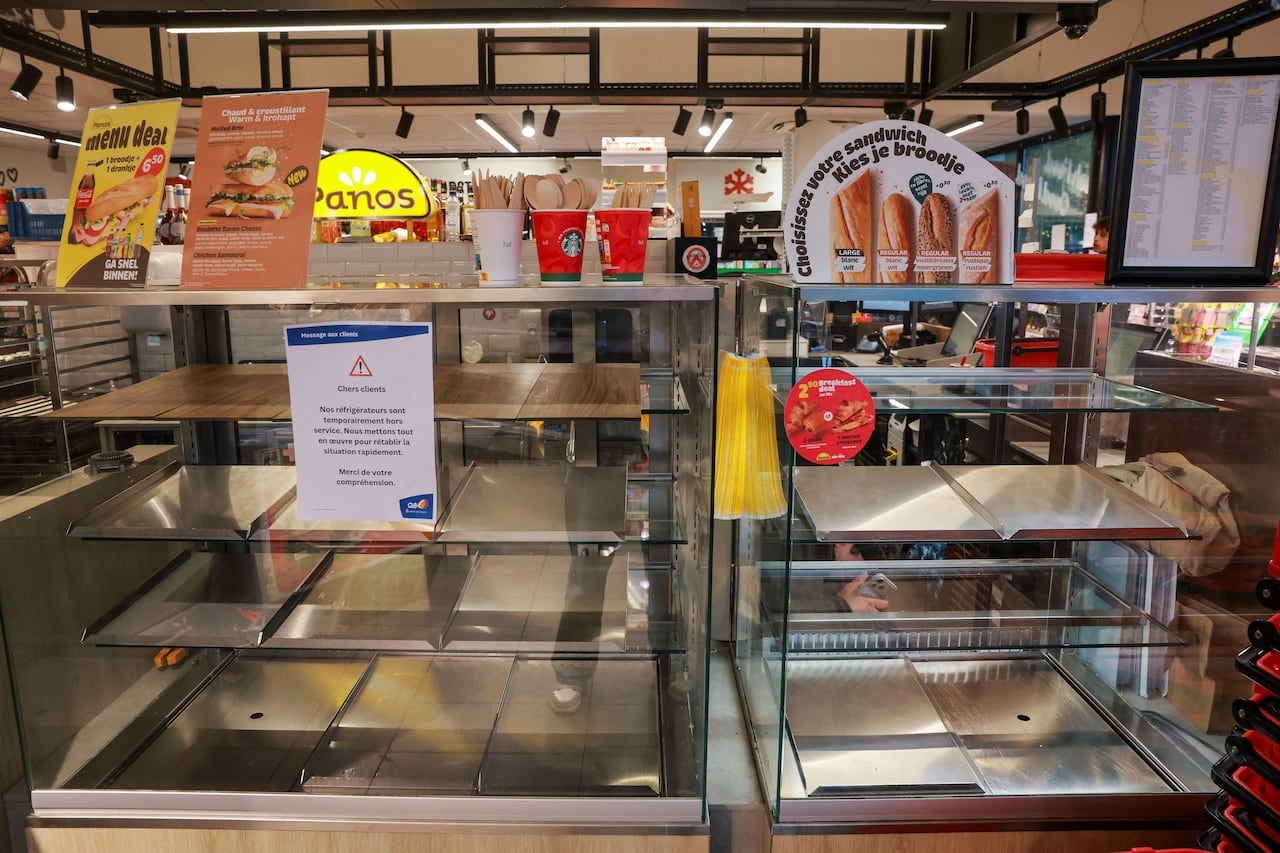
A notice at the Delhaize Shop & Go store in Linkebeek, Belgium, informs customers about the temporary refrigeration outage due to a tech incident. (Stephanie Lecocq/Reuters)
While no group has claimed responsibility for these attacks, they have intensified alarm among European officials regarding hybrid threats to critical infrastructure amid rising security tensions since Russia’s invasion of Ukraine in 2022.
Russia has consistently denied any involvement in acts of sabotage or hybrid warfare. Reuters was unable to determine the perpetrators of Monday’s attacks or if they were connected to the incidents in France.
“It remains unclear who is responsible for this attack, and it might never be known,” said Katrien Eggers, spokesperson for Belgium’s Centre for Cybersecurity, expressing her concern over the increasing frequency of such incidents, partly attributed to AI advancements.
“All IT systems are potentially at risk, and AI can now effectively exploit these vulnerabilities — particularly by sophisticated actors,” she noted.
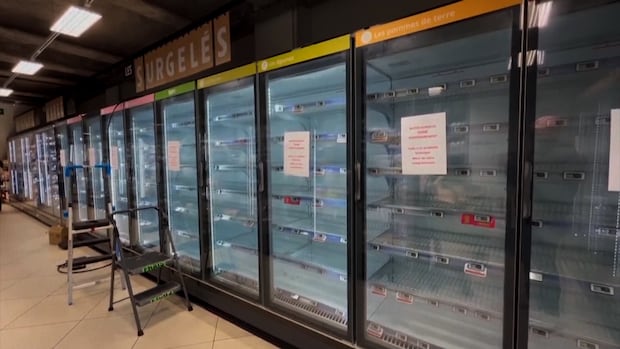
Supermarkets across Europe discarded millions of dollars’ worth of spoiled food due to a cyberattack that targeted refrigeration systems, following a similar incident in France last month.
‘Retail is an easy target’
Modern devices, ranging from refrigerators and heating systems to security cameras and alarms, have increasingly become connected to the internet, allowing for remote monitoring and control, which presents new opportunities for cybercriminals.
Some of the refrigeration units impacted on Monday utilized temperature control technology from Danish company Danfoss, which was also targeted during the French incident. The company indicated it was collaborating with clients to implement solutions.
During last month’s French cyberattack, Danfoss noted that the affected refrigeration units were operating on “outdated firmware” or had “reached the end of their lifecycle and no longer receive software or security updates.”
Following a cybersecurity firm’s identification of a potential vulnerability in Danfoss’s systems over the summer that could allow hackers to access the fridges and adjust their temperatures remotely, the company issued a patch and advised customers to apply it.
This was not the first instance of hackers targeting the food sector, according to cybersecurity analyst Ritesh Kotak, who mentioned last month that in 2021, the meat supplier JBS experienced a cyberattack that temporarily halted operations in Canada, the U.S., and Australia. Additionally, a 2025 incident involving United Natural Foods Inc. resulted in shortages at numerous Whole Foods locations.
“Unfortunately, this is something we can expect to see more frequently,” Kotak stated, emphasizing that the situation in France should act as a “wake-up call” to take such threats seriously.
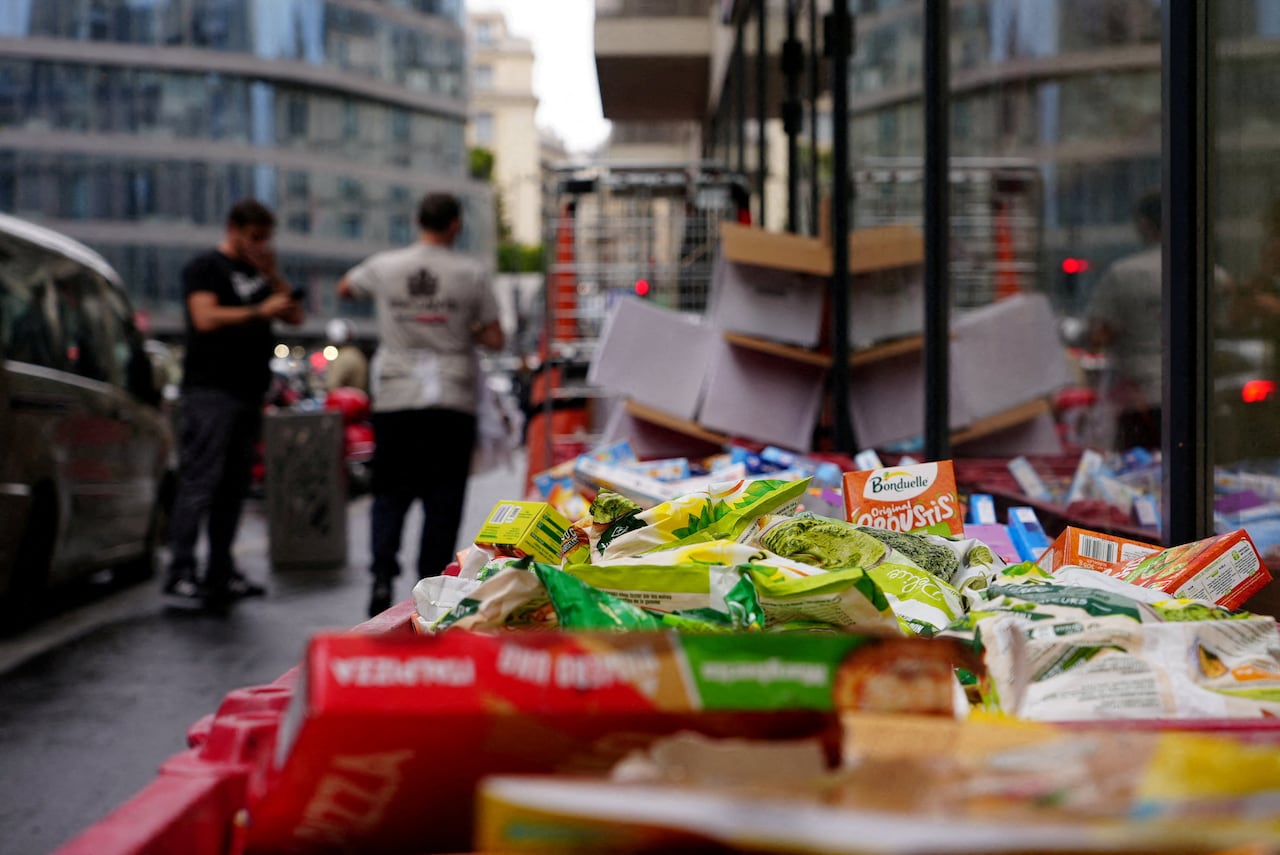
Spoiled food boxes are seen outside an Intermarche supermarket in Paris on October 13, a day after a cyberattack targeted refrigeration units at French supermarket chains, leading to food losses and fires at multiple stores. (Lucien Libert/Reuters)
The European Commission indicated that these latest incidents underscore the increasing disruptiveness of digital threats.
“These attacks are deliberate efforts to disrupt our food supply chain and erode consumer confidence — a warning that must be heeded,” stated EU agriculture commissioner Christophe Hansen. “The persistent nature of these cyberattacks is profoundly troubling.”
A representative from Colruyt Group, which franchises Spar stores in Belgium, reported that five of their locations experienced attacks on their refrigeration systems.
In Ireland, wholesaler Musgrave mentioned that the incident impacted systems in 13 of its SuperValu stores, necessitating the removal of certain chilled and frozen items from the shelves.
Tom Hegel, a researcher at cybersecurity firm SentinelOne, stated that such attacks are often associated with extortion, political agendas, or state-sponsored actions, noting that the lack of financial demands in recent cases suggests sabotage instead.
“Retail is a prime target due to the extensive networks of refrigeration controllers, building management systems, door access panels, and point-of-sale equipment,” he explained, adding that tracing hackers who exploit these systems is challenging.
“An attacker accessing an exposed control panel leaves behind almost no trace … to the defender, a teenager and a seasoned intelligence service may appear identical.”
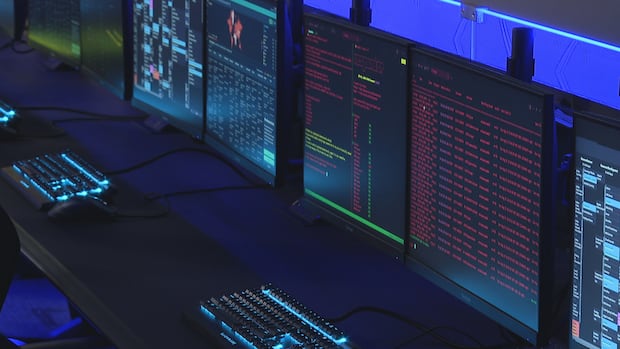
A recent EY report indicates that AI is expected to play a significant role in cybercrime by 2026, as programs aid attackers in refining their scamming capabilities.
Grocers discarding thousands of dollars’ worth of food
Carrefour, which suffered severely in last month’s French attack, reported that 15 of its 700 stores in Belgium were impacted. Ikea also confirmed that one of its locations in Belgium was affected and could not exclude the possibility of disruptions at other sites.
The privately-owned Swedish grocery chain Coop indicated that seven of its 800 stores experienced a cyber incident related to unauthorized interference with refrigeration systems. It confirmed that Danfoss was one of its suppliers.
Luc De Laet, the founder and owner of the Belgian butchery chain De Laet & Van Haver, recounted being awakened at 3:30 a.m. by an employee alerting him to a problem. Rushing to his store south of Antwerp, he discovered that the fridges had reached temperatures as high as 18 degrees Celsius.

A security vulnerability in the foundational PHP code that powers much of the internet has triggered a global alert, causing governments and major organizations to take websites offline. Andrew Chang explains how advanced AI uncovered the flaw — and the race between defenders and attackers to secure the system. (Photo credits: The Canadian Press, Reuters, Adobe Stock and Getty Images)
He estimated that the incident resulted in approximately €15,000 ($23,485 Cdn) in spoiled meat.
“It’s quite alarming. They are hacking into the system managing the temperature records, and they can program it remotely,” he stated, expressing his frustration over the significant food waste.
De Laet expressed his belief that the hackers aimed to destabilize European economies. He reported contacting law enforcement but was uncertain whether an investigation had commenced.
“I have just two words for them: Wake up, please, because something significant is happening,” he remarked.