


Double-crested cormorants are creating issues on the Toronto islands, with their widespread defecation causing concerns among residents. The acidic nature of their feces is damaging the trees they inhabit, leading to calls for action.
Warren Hoselton, a former park supervisor on the islands, expressed frustration over the worsening situation and highlighted the need for management strategies similar to those used for other wildlife species in the area.
An estimated 18,000 double-crested cormorants have settled at Hanlan’s Point, significantly increasing in number over the past year. Efforts to relocate the birds face challenges due to legal protections in place.
Residents and visitors are advocating for solutions to address the impact of the cormorants, particularly on the environment and recreational activities.
Why the Concern?
The accumulation of bird excrement, known as guano, has transformed the once lush shoreline into a dystopian landscape. This has led to decreased tourist activity and economic repercussions for local businesses.
Gordon Ballantyne, the general manager at Toronto Island Marina, described the situation as catastrophic for the local ecosystem, emphasizing the need for effective measures to mitigate the damage caused by the cormorants.
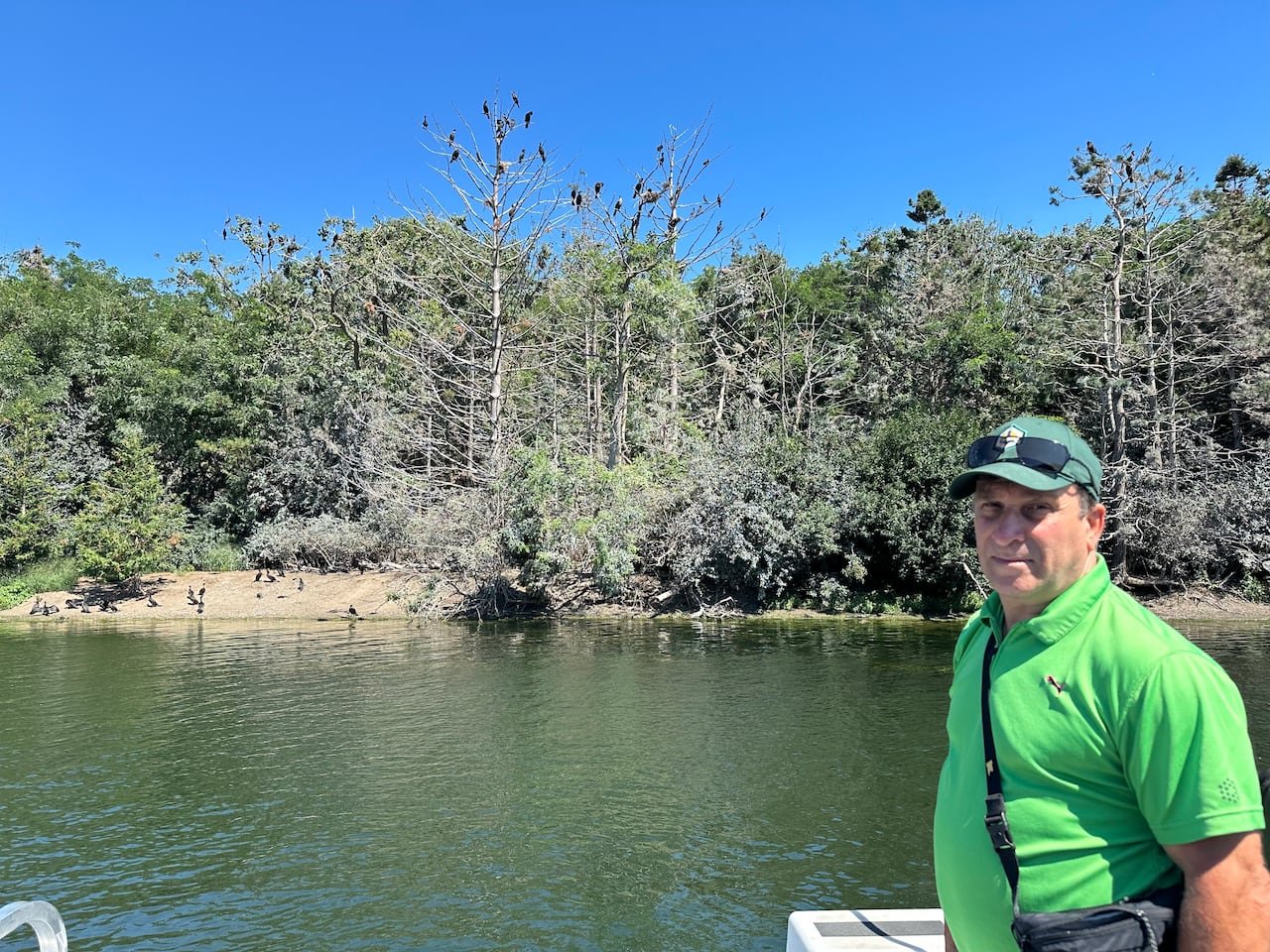
The decline in recreational activities, such as boating, due to the presence of cormorants illustrates the urgency of addressing the issue and finding a sustainable solution.
Efforts to address the cormorant population are complicated by factors such as potential relocation challenges and legal constraints on culling activities within city limits.
Understanding the Situation
The influx of cormorants on the Toronto islands is believed to be linked to shifts in their original colony at Tommy Thompson Park, possibly driven by predation risks and resource availability.
Concerns over nest predation and habitat disruption have prompted discussions on managing the cormorant population to balance conservation efforts and human-wildlife conflicts.
Avian ecologists point out the complex dynamics influencing cormorant behavior and emphasize the need for comprehensive strategies to address the challenges posed by their presence.
Exploring Solutions
While culling practices are utilized in certain regions, regulatory restrictions in urban areas like Toronto limit direct intervention methods. The Toronto and Region Conservation Authority is actively engaged in managing the cormorant population through various non-lethal techniques.
Efforts to dissuade cormorants from nesting in trees involve labor-intensive approaches, including nest removal and deterrent measures during breeding seasons.
Proposals for alternative habitats and relocation initiatives aim to address the ecological impact of cormorants while safeguarding their natural behaviors and habitats.
Environmental Perspective
Despite the challenges posed by cormorants, conservationists emphasize the importance of considering their ecological role and native status in ecosystem management decisions.
Research suggests that cormorants play a nuanced role in local