

Canada’s economic expansion came to a halt in August for the second consecutive month, with indications of a potential decline in September, according to data from Statistics Canada released on Friday.
The real gross domestic product remained virtually unchanged for the month, following minimal growth in July.
Before the report was published, economists surveyed by Reuters had anticipated a growth of 0.2 percent for August.
Challenges were evident in the wholesale trade and public sector. Wholesale trade saw a decrease of 1.4 percent in August, primarily due to contractions in most subsectors. This marked the first decline in motor vehicle and parts wholesaling in seven months, as reported by Statistics Canada, attributed to a downturn in car manufacturing and a reduction in passenger vehicle imports.
Additionally, public sector activities—including sectors like education, health care, and social assistance—also experienced a decline. The government public administration significantly contributed to this drop as preparations for the 2026 census concluded.
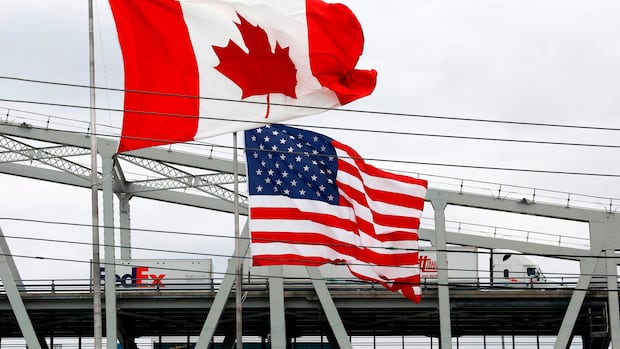
Despite facing significant U.S. tariffs, Canada’s economy has demonstrated resilience, though new import bans on various Canadian goods are exacerbating the situation. Deloitte has revised its growth forecast for the upcoming year downward by 20 percent.
The mining, quarrying, and oil and gas sector remained stable, as increased activity in mining and quarrying was counterbalanced by a drop in oil and gas production due to maintenance at certain facilities.
Retail trade emerged as one of the positive aspects for the month, achieving a growth of 1.2 percent, effectively offsetting the decline experienced in July.
Manufacturing recorded an increase for the fifth time in seven months, and the transportation and warehousing sectors also experienced growth in August, along with the finance and insurance industries.
Early estimates from Statistics Canada for September indicate a real GDP decline of 0.1 percent, influenced by losses in manufacturing and the mining, quarrying, and oil and gas extraction sectors.
This sluggishness in September, combined with stagnant growth in July and August, suggests a pattern of weakness in recent months, as noted by BMO chief economist Doug Porter.
“The momentum that seemed to be building during the spring months has dissipated, contrary to what the Bank of Canada previously highlighted as evidence of the economy’s strength,” Porter remarked in a note, referencing economic activity related to the central bank’s recent interest rate hike this week.
Porter pointed out that some of the perceived weakness may be “overstated” due to the one-time drop related to the census. However, with the ongoing trade conflict and recent declines in employment numbers, he indicated there are clear reasons for the economy’s struggle to maintain growth.
Despite the stagnant growth in July and August and signs of a decline in September, the agency’s preliminary estimates still predict an annualized real GDP increase of 1.3 percent for the third quarter—down from a growth rate of 3.3 percent in the second quarter.
This figure falls short of the two percent growth the Bank of Canada anticipated for the third quarter in its monetary policy report released on Wednesday.
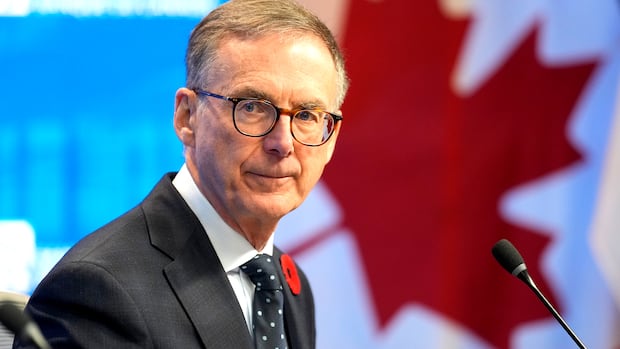
After maintaining steady interest rates for nearly a year, the Bank of Canada has increased the policy rate to 2.5 percent. Bank governor Tiff Macklem stated that the increase was essential to combat inflation driven by rising energy costs.
CIBC economist Andrew Grantham noted that while the bank had already projected a slowdown in the fourth quarter of 2026, the latest data suggests that the economic momentum heading into that period might be weaker than anticipated.
“There is still a significant amount of data to be released before the December meeting,” Grantham stated in a note to investors. “However, today’s report supports the notion that the bank may hold off on any further interest rate increases for the time being.”
This week, the central bank raised its key lending rate by a quarter point to 2.5 percent. While some economists believe this could signal the beginning of a series of rate hikes, others suggest that the bank may maintain the rate at 2.5 percent while assessing the need for future adjustments.