

A plump, fluffy father distinguished by his penchant for munching on rocks has been crowned the most beloved yellow-bellied marmot in Gothic, Colorado.
This summer, the Rocky Mountain Biological Laboratory hosted its first-ever Fat Marmot Week, featuring a competition that combined a public voting process with a weigh-in to determine which contestant gained the most weight ahead of hibernation.
Dawn emerged as the victor in both categories.
His profile online highlights his reputation for siring numerous litters of baby marmots and his habit of licking the salt and minerals found on rocks. This summer, he nearly doubled his weight from 2.5 to 5.9 kilograms, which is approximately 5.5 to 13 pounds.
“He truly earned it,” stated Katie Adler, the organizer of Fat Marmot Week, during an interview with As It Happens host Nil Kӧksal. “He is a unique boy who enjoys eating rocks.”
However, with the title of champion chonker comes added responsibility. As the reigning champion, Dawn has also taken on the unofficial role of spokesperson for the Marmot Project, a long-term research initiative that faces uncertainty due to significant cuts in science and educational funding across the U.S.
Funding Cuts Threaten 60-Year Research Initiative
Fat Marmot Week draws inspiration from Fat Bear Week, a well-known contest hosted by Alaska’s Katmai National Park and Preserve.
Similar to bears, marmots go into hibernation, and soon, the yellow-bellied marmots in Gothic will settle in for an eight-week winter slumber.
“They need to gain significant weight to survive the winter without freezing,” Adler explained. “That’s why they become so large.”

Katie Adler, a graduate student from UCLA and the organizer of Fat Marmot Week, poses with this year’s winner. (Isabel Norman)
Adler, who is pursuing a degree in ecology at the University of California, Los Angeles, is involved with the Marmot Project, a long-term generational study of yellow-bellied marmots conducted at the Rocky Mountain Biological Laboratory in Colorado.
Established in 1962, this program holds the distinction of being the world’s second-longest-running study of individually tracked mammals, surpassed only by Jane Goodall’s renowned research on chimpanzees in Tanzania.
Over the past sixty years, researchers have observed 5,000 marmots across 12 generations, according to Julien Martin, a biologist from the University of Ottawa and one of the project’s leaders.
“From a human standpoint, it would be akin to going back to the early 1700s in terms of generations,” Martin remarked.
“Simultaneously, we are monitoring environmental changes. Essentially, we are striving to understand how wild animals are adapting and evolving in response to climate change and the disruptions caused by humans.”
-
Trump administration cuts funding for clean air and water programs
-
Uncertainty in U.S. science funding reshapes graduate school decisions for Canadians
However, the Marmot Project is facing significant challenges.
The administration of U.S. President Donald Trump has implemented substantial cuts to research institutions, including a 20 percent reduction in funding for the National Science Foundation (NSF), a critical source of research grants in the U.S.
Consequently, the NSF is anticipated to provide 30 percent fewer new research grants this fiscal year, as reported by the journalistic branch of Nature.
“The available funding is declining while more applicants are vying for it,” Martin stated.
Additionally, he noted that reductions in higher education have complicated the ability of research labs like the Rocky Mountain facility to maintain adequate staffing levels.
“This is a nationwide issue in the U.S., reflecting the deterioration of the infrastructure necessary for higher education,” Martin explained.
Exploring Alternative Funding Solutions
This situation has prompted the Marmot Project to initiate innovative public campaigns aimed at raising awareness for their research and seeking financial contributions.
<pEarlier this year, the Marmot Project introduced OnlyMarms, a family-friendly account on the typically adult-themed platform OnlyFans, where subscribers can view the animals via camera traps.
“We heavily depend on those long-term funding grants to advance this research,” Adler acknowledged. “We must consider alternative options, or this project may not survive.”
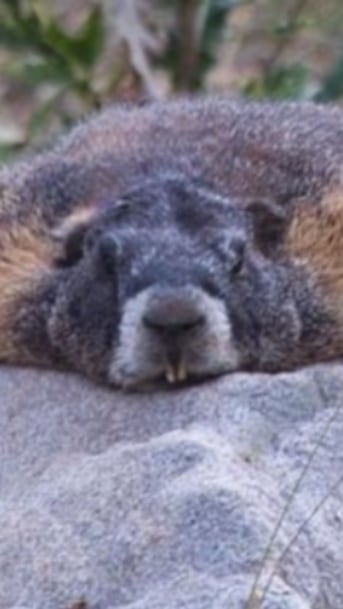
Marmots have their own OnlyFans page. ‘OnlyMarms’ is a G-rated initiative on the subscription-based site, which is typically associated with adult content. It was created by a researcher to help support a long-term study on yellow-bellied marmots after he indicated that the Trump administration cut funding for environmental research in the U.S.
Through these initiatives, the lab has successfully raised over $120,000 in donations.
<p"This will certainly assist, and we will strive to stretch these funds as far as possible," Martin remarked.
Nonetheless, he cautioned that this is not a viable long-term funding strategy for ongoing research.
Consequently, the Marmot Project has initiated a petition on Movements.mov urging Congress to reverse its cuts to research funding.
Titled “Don’t Let American Science Depend on OnlyFans,” the petition had accumulated 180 signatures by Monday afternoon.
CBC has reached out to both Democratic and Republican leaders in the U.S. Senate and House of Representatives, but did not receive any replies prior to the deadline.
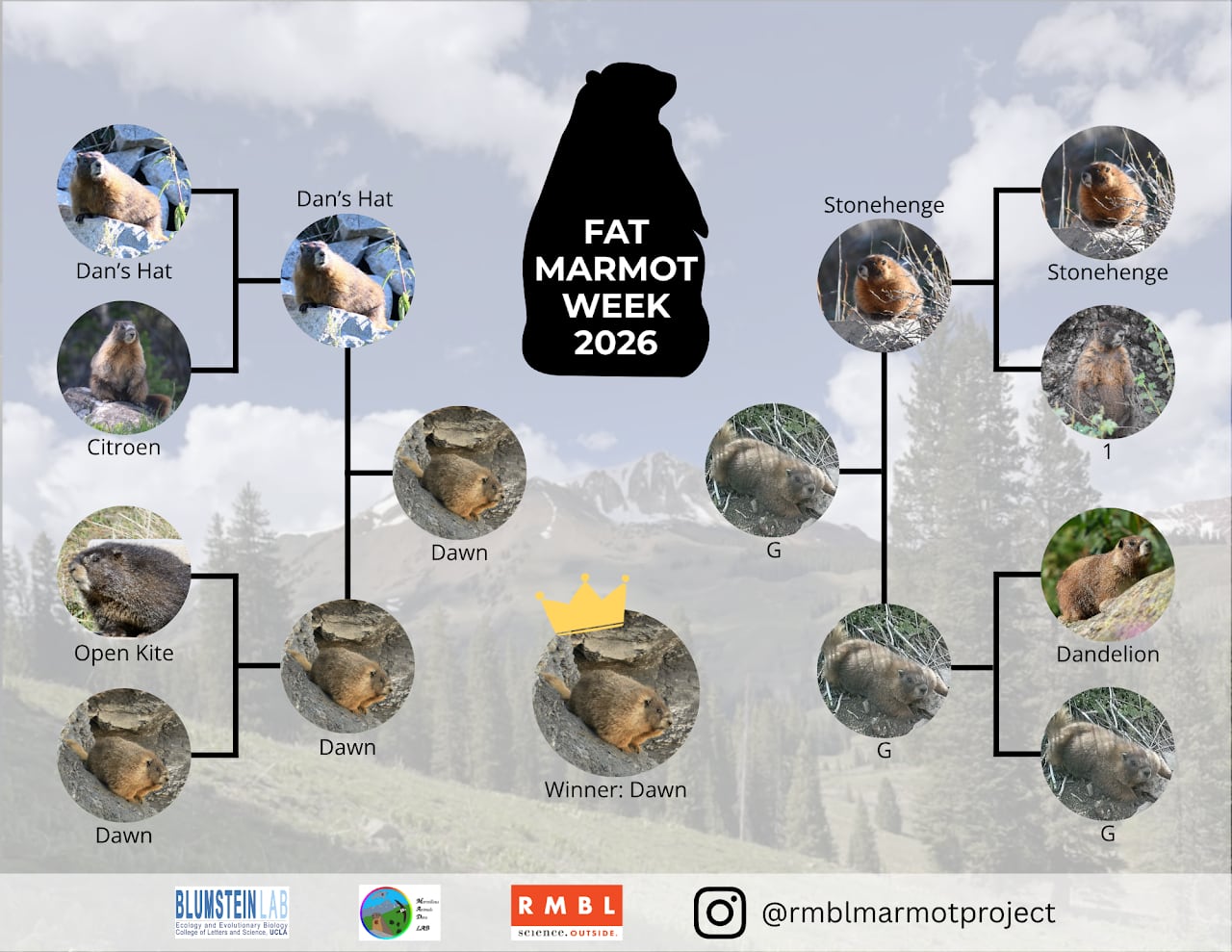
Eight candidates participated in Fat Marmot Week. (Rocky Mountain Biological Laboratory)
Meanwhile, the Marmot Project will persist in its endeavors, including preparations for its next Fat Marmot Week in 2027.
Adler hopes that initiatives like this will help the public develop a greater appreciation for marmots, just as she does.
During her time in Colorado, she has witnessed their resilience as they endure summer’s heat and predators while gaining enough weight to survive the long, harsh winters.
“Marmots are incredibly resilient,” she stated. “I believe I’ve gained a much deeper respect for them, and I hope the public has too.”