Leaders gathered at the recent G20 summit in South Africa have expressed concerns about the group’s future effectiveness and relevance amid increasing global conflicts and a shifting world order. Established in the late 1990s, the Group of 20, co-founded by former Prime Minister Paul Martin, has been convening annually since 2008 with a primary focus on fostering international economic and financial stability.
The core principle of the G20 is promoting multilateralism, emphasizing cooperation, compromise, and coordination among nations for mutual benefit. However, significant changes have transpired over the past two decades.
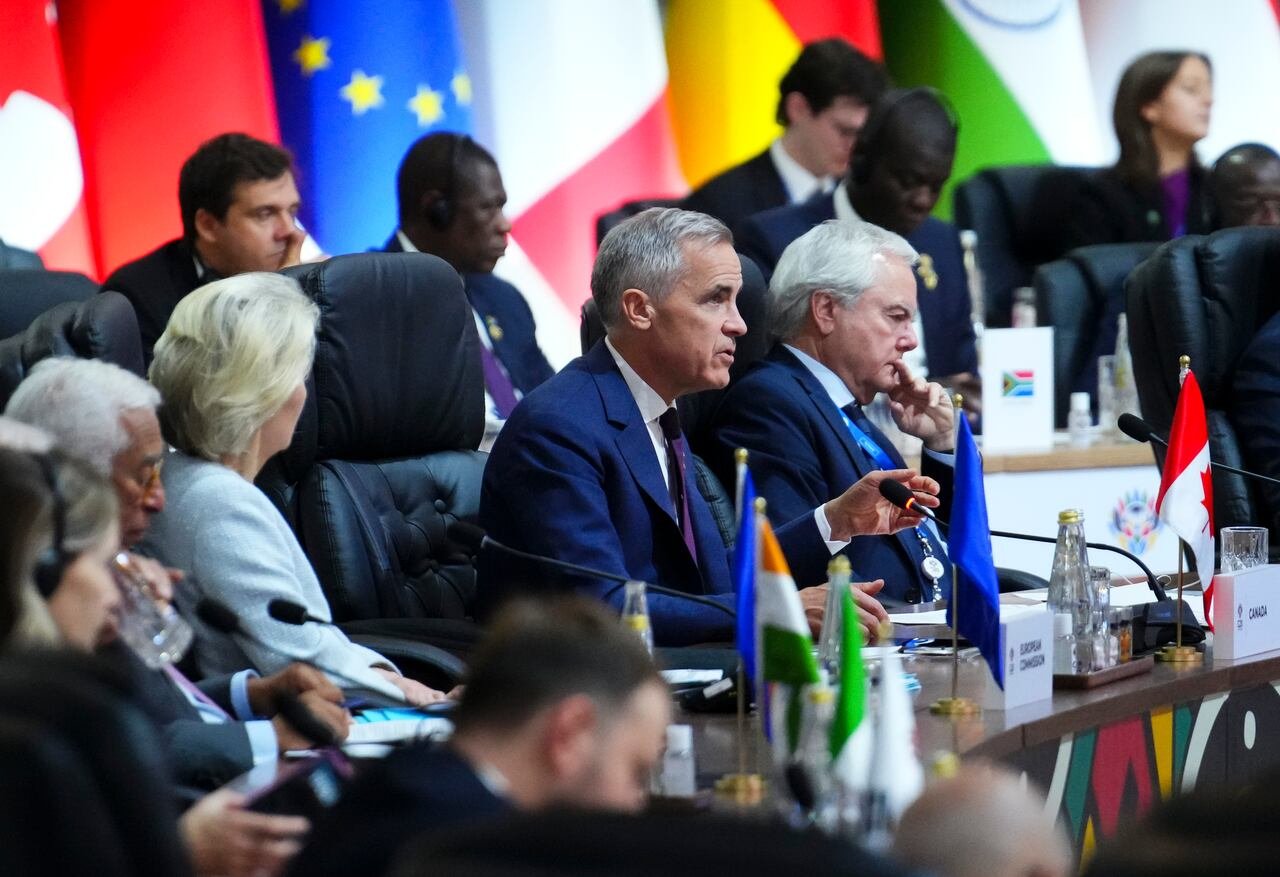
French President Emmanuel Macron, addressing the summit’s opening, remarked on the challenges faced by the G20 in resolving major crises collectively, suggesting that the group might be reaching the end of a cycle. Prime Minister Mark Carney described the current state of the global world order as a “rupture,” largely influenced by the actions of the United States and President Donald Trump.
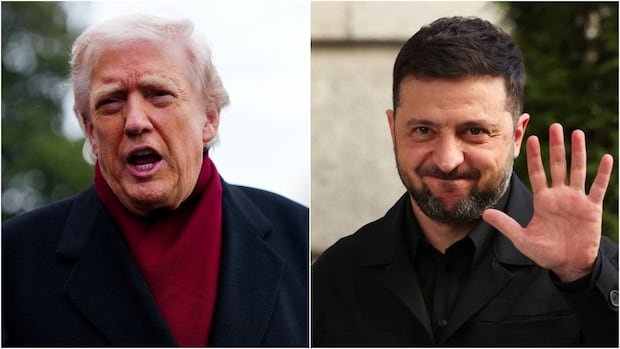
President Trump’s trade disputes with various nations and his transactional approach to geopolitical issues, such as the conflict in Ukraine, have shifted the focus of G20 members towards economic security rather than integration.
Even China, a significant global economy often criticized for destabilizing international security, expressed apprehensions about the future due to prevailing unilateralism and protectionism.
Chinese Premier Li Qiang, standing in for President Xi Jinping at the summit, highlighted the prevalence of unilateralism and protectionism, questioning the current state of global solidarity. Finland’s President Alexander Stubb, attending the G20 for the first time, also expressed concerns about the fate of multilateralism, noting a shift towards deal-making that could potentially lead to conflicts.
A G20 without U.S. Representation
President Trump’s decision to abstain from sending any American officials to the summit raised doubts about global unity but strengthened solidarity among the remaining attendees. Foreign Affairs Minister Anita Anand pointed out the significance of reaching a consensus declaration at the summit’s outset.
Anand highlighted the value of both formal and informal discussions and decisions among leaders, underscoring the importance of the G20 gathering, particularly as it was the first time the event took place in Africa with the participation of outreach partners, emphasizing a positive outcome for multilateralism.