

In the first part of a two-segment series, we delve into the impact of climate change on winter sports. Stay tuned for Thursday’s feature on athletes’ advocacy and the response from Canadian and global decision-makers.
For over 20 years, aspiring skiers and snowboarders have honed their skills on Whistler Blackcomb’s Horstman Glacier, training alongside top Canadian athletes.
Momentum Camps has been a breeding ground for Olympic hopefuls and a nurturing environment for a passion for sports. Young moguls skiers could learn from renowned athletes like Mikaël Kingsbury, known as the King of Moguls.
Many former camp attendees have reached the pinnacle of their sport, such as Alex Bilodeau, a two-time Olympic gold medalist in moguls, Cassie Sharpe, who boasts Olympic gold and silver in ski halfpipe, and Jennifer Heil, an Olympic gold medalist set to lead Team Canada at the upcoming Winter Olympics in Italy.
Aside from producing champions, the camps aimed to introduce youngsters to role models promoting healthy lifestyles, as outlined by John Smart, a two-time Olympian and freestyle skiing legend who founded Momentum Camps post his 1992 Olympic stint.
“Numerous kids have passed through our program, blossoming into superstars and achievers,” Smart emphasized.
However, the rapid glacier melting led to the cessation of summer skiing and snowboarding on the Horstman Glacier in 2024, as the mountain resort deemed it unsafe for summer operations. Consequently, the camps that united eager youth with elite athletes vanished.
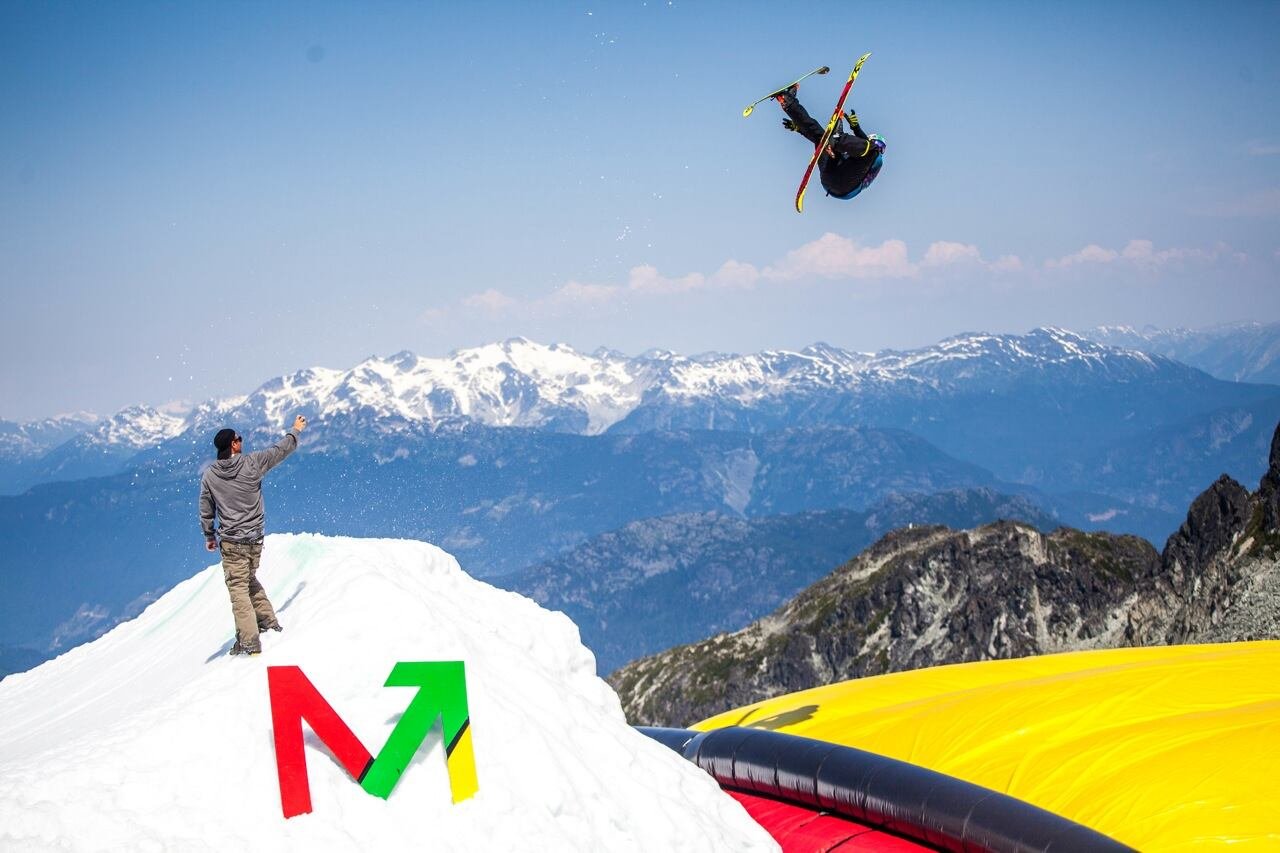
Moreover, top athletes were left without summer training grounds in Canada, forcing them to seek alternatives in Europe, incurring higher costs and disrupting their routine.
The termination of summer skiing underscored the imminent risk facing winter sports: the planet is warming at an alarming rate.
“The impact is palpable, especially considering the setback to a major training hub,” noted Peter Judge, CEO of Freestyle Ski Canada.
A 2024 study commissioned by the International Olympic Committee revealed a swift decline in suitable locations for hosting the Winter Olympic and Paralympic Games due to global warming. By the 2050s, only half of the previous 21 Olympic host cities would meet the weather requirements.
This reality is already affecting ski and snowboard events, with more competitions being canceled or downsized for athletes’ safety.
“The reliability of early season events is increasingly precarious,” Judge remarked. “Previously, December events were a given, but now their occurrence is uncertain each year.”
Tackling the broader issue of a warming planet requires collective action beyond the ski and snowboard community.
Discussions on this matter are ongoing at the UN Climate Conference, COP30, currently taking place in Brazil among world leaders and negotiators.
John Smart envisions reviving summer skiing on Whistler Mountain, albeit a project that is at least two years away. While it poses financial challenges, Smart believes it is a worthy endeavor.
“The grassroots aspect would suffer the most if this opportunity is lost and not regained,” Smart emphasized.
Safety Concerns Prompted End of Summer Skiing
The closure of glacier summer camps followed a detailed assessment indicating that operating on the Horstman Glacier and Showcase T-bar area was no longer safe.
“The decision was influenced by the glacier’s condition and the repercussions of its melting,” explained Dane Gergovich, a Vail Resorts spokesperson — the company overseeing Whistler Black